 Gold
Gold
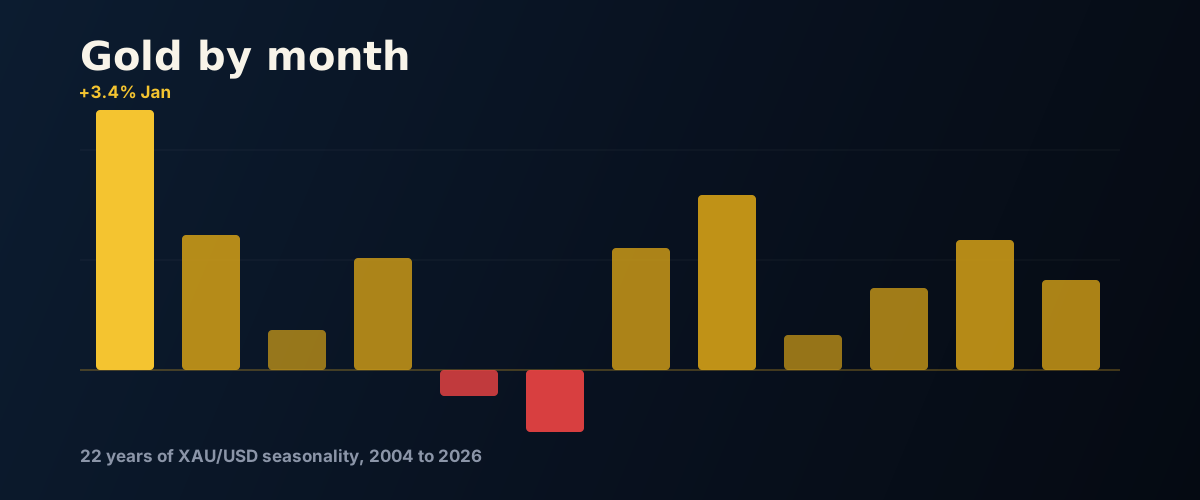
Best and Worst Months to Trade Gold: 22 Years of Data
We analysed 22 years of gold prices to find its best and worst months. January is the strongest at about +3.4% on average, summer is the soft spot, with the full month-by-month data and the honest caveats before you trade seasonality.
 Gold
Gold
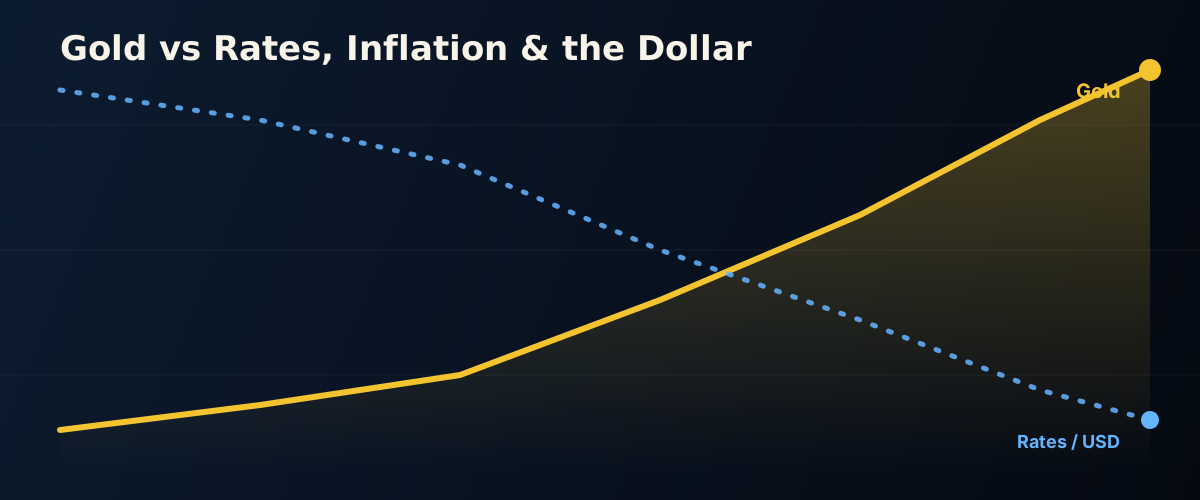
How Gold Reacts to Interest Rates, Inflation and the Dollar
Gold does not move randomly. Three forces drive it: interest rates, inflation and the US dollar. Here is how each one moves gold, why real yields tie them together, and what it means if you trade gold, in plain English.
 Gold
Gold
Why Is Gold Rising in 2026? The Real Reasons Behind the Record Run
Gold has surged to record highs. The real reasons why: record central-bank buying, de-dollarization, US debt worries, falling real yields and safe-haven demand, explained clearly, plus what it means if you trade gold.
 Gold Trading
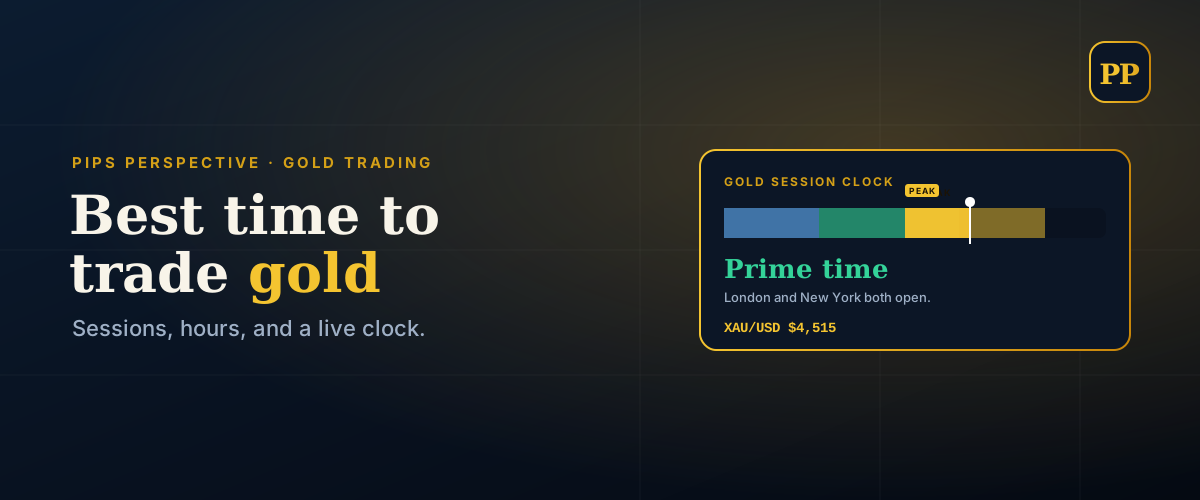
Best Time to Trade Gold (XAU/USD): Sessions, Hours and a Live Clock
The best time to trade gold is the London to New York overlap. Use our live gold session clock to see if it is a good time to trade right now, in your own timezone, plus the sessions, best days, and times to avoid.
 Gold Trading
How to Trade Gold (XAU/USD): A Complete Beginner's Guide
The plain-English guide to trading gold: the ways to trade it, what moves the price, the best times, how to place and size a trade, a simple strategy framework, and the beginner mistakes to avoid.
 Account Types
What Is a Swap-Free (Islamic) Forex Account? How It Works and the Catch
A swap-free account removes overnight swap interest so trading stays free of riba. What it is, how it works, the admin-fee catch most sites skip, who it suits, and how to open one.
 Gold Trading Basics
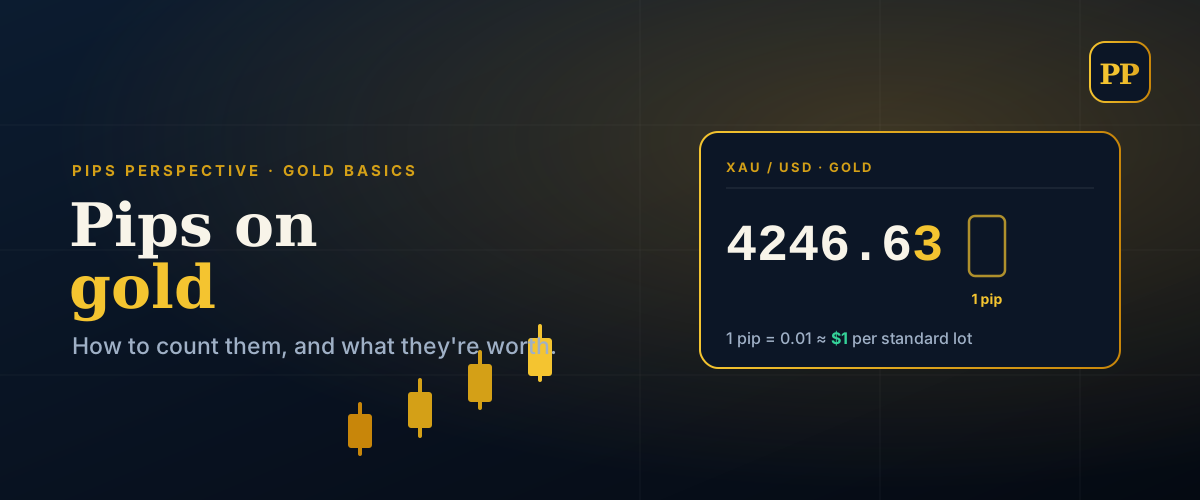
What Is a Pip in Gold (XAU/USD)? How to Calculate Gold Pips
On gold a pip is a $0.01 move, so a standard lot is worth about $1 per pip. How to calculate gold pip value and profit, lot sizes, what moves gold, plus a free gold pip calculator.
 For Serious Traders
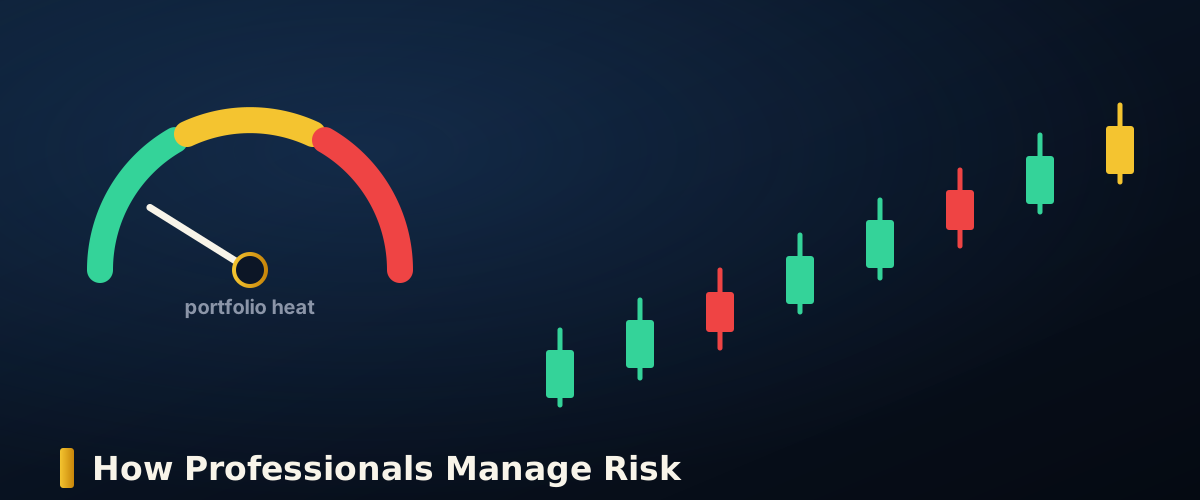
How Professional Traders Manage Risk
The 1% rule is where risk management starts, not ends. How pros manage risk at the portfolio level: total portfolio heat, correlation, drawdown limits and volatility-based sizing. With an interactive portfolio-heat tool.
 For Serious Traders
How to Choose a Broker for a Large Account
Funding $10,000 or more? The priorities flip. Safety of capital (regulation, segregated funds), withdrawal reliability, and execution quality matter far more than the minimum deposit. With an interactive tool showing what wide spreads cost a serious account.
 Risk & Psychology
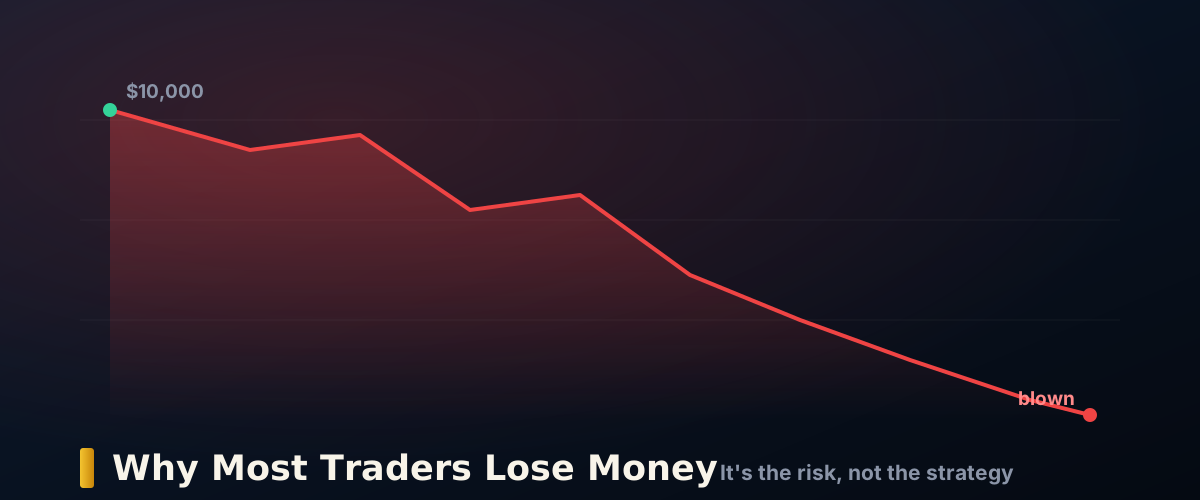
Why Most Forex Traders Lose Money
Around 70 to 80% of retail traders lose, and it's rarely the strategy's fault, it's risk. The real reasons accounts blow up, plus an interactive simulator that shows exactly what your risk per trade costs you.
 Technical Analysis
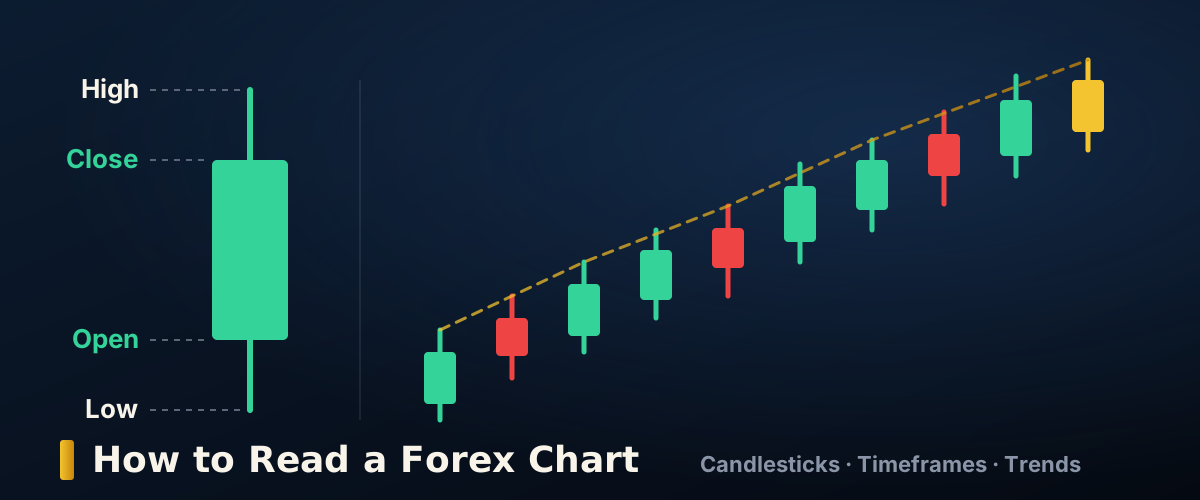
How to Read a Forex Chart
What the price actually shows, the three chart types, the four numbers inside every candlestick, which timeframe to use, how to spot a trend, and how support and resistance really work. With clear diagrams.
 Start Here
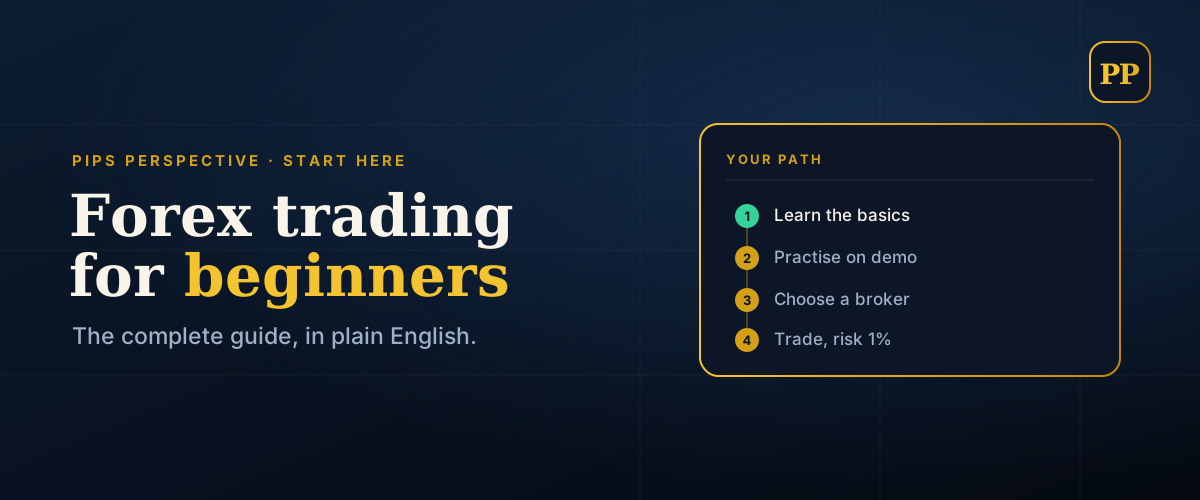
Forex Trading for Beginners: The Complete Guide
The complete beginner's guide, in plain English: what forex is, how a trade works, pips, lots, leverage and spreads, how much you need, risk management, choosing a broker, and a step-by-step first month.
 Trading Basics
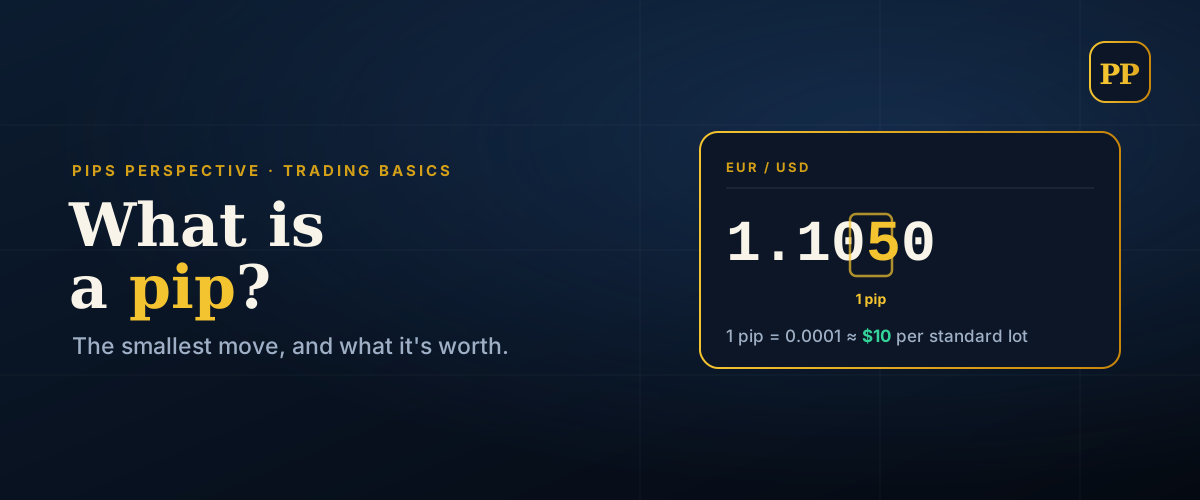
What Is a Pip in Forex? (And How Much It's Worth)
A pip is the standard smallest move in a currency pair, usually the fourth decimal (0.0001). What a pip is, how much one is worth, pips on JPY pairs and gold, pipettes, and why they matter.
 Trading Basics
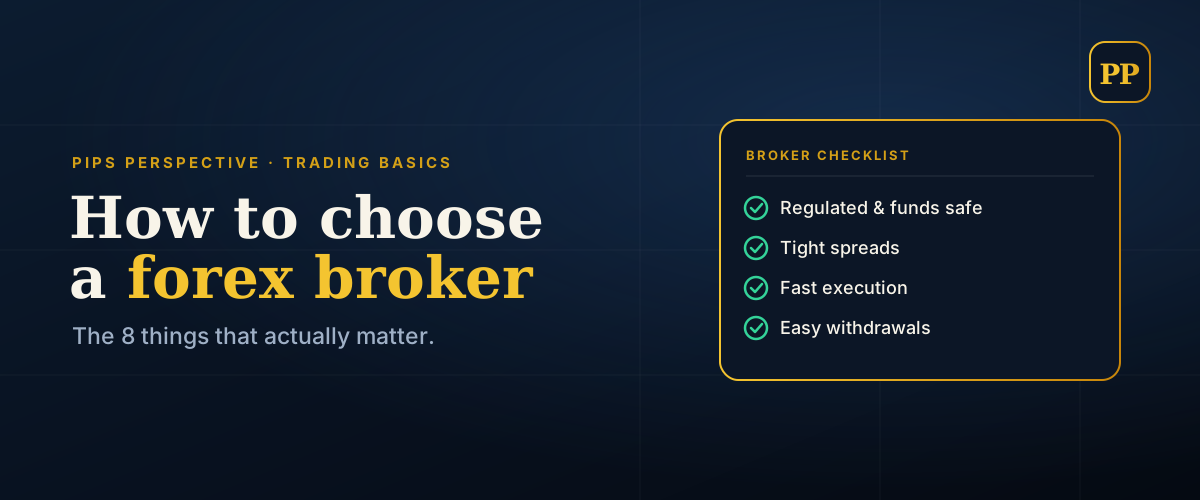
How to Choose a Forex Broker: What Actually Matters
Your broker is the one decision every trade depends on. The eight things that actually matter, regulation, spreads, execution, funding and more, the red flags to avoid, and our pick for international traders.
 Trading Basics
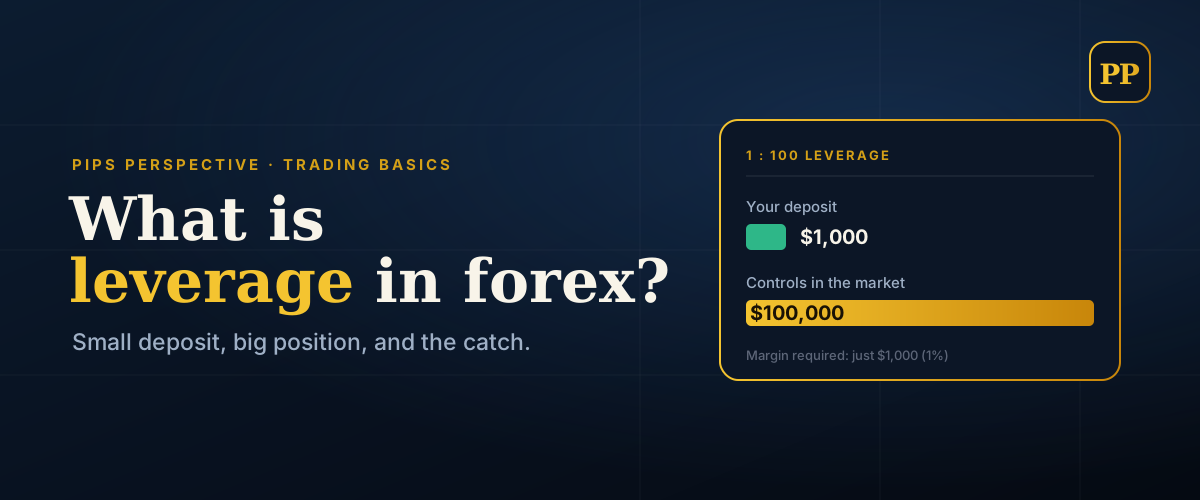
What Is Leverage in Forex? A Simple Explanation
Leverage lets you control a large position with a small deposit. What ratios like 1:100 mean, the difference between leverage and margin, and why it amplifies both profit and loss, with worked examples.
 Trading Basics
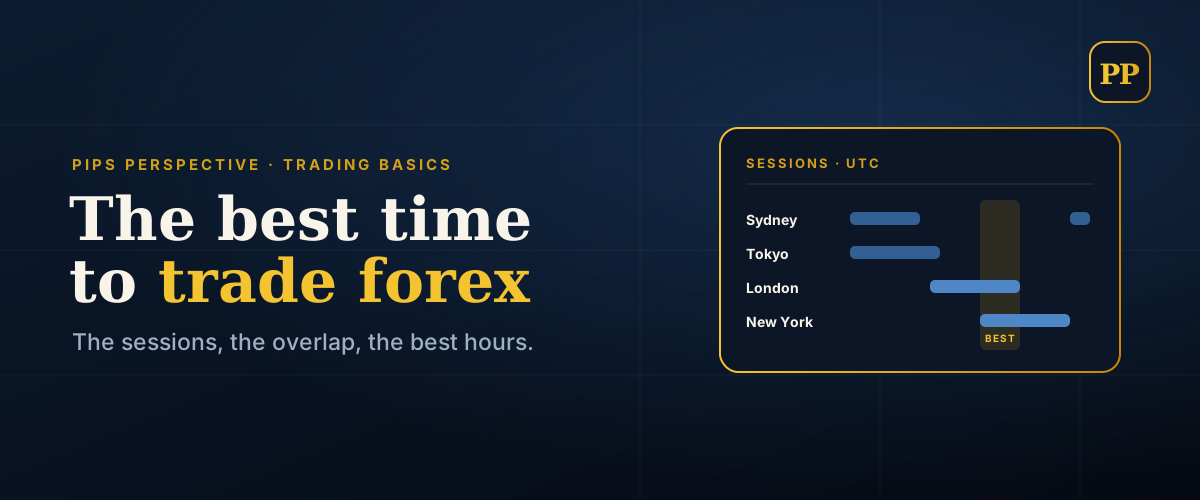
The Best Time to Trade Forex: Market Hours & Sessions
The best window is the London and New York overlap, when liquidity and movement peak. All four sessions in your timezone, the best hours by pair, and the times to avoid.
 Trading Basics
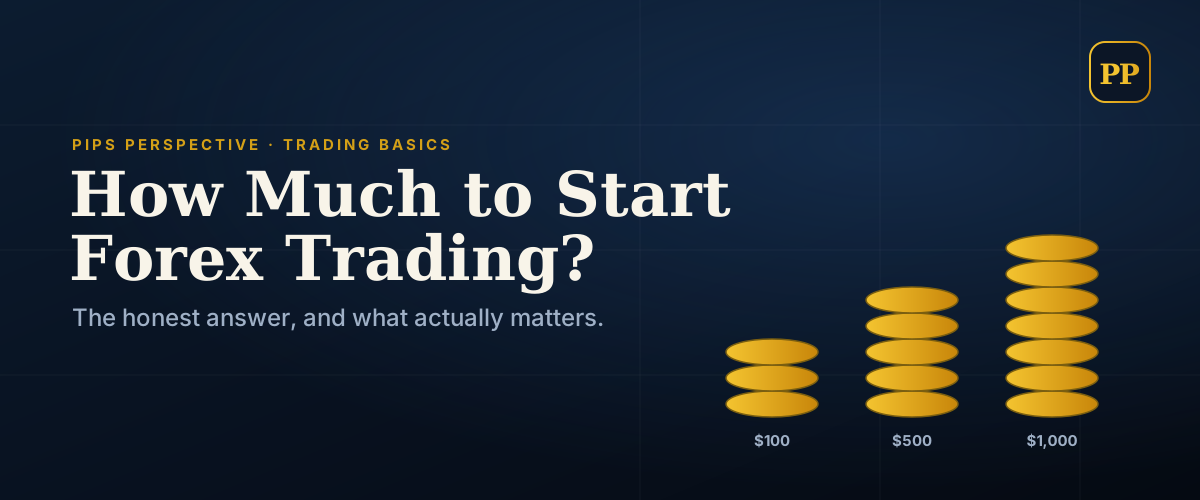
How Much Money Do You Need to Start Forex Trading?
You can open an account for $10 to $100, but a realistic start is $500 to $1,000. The honest answer, why risk per trade matters more than the minimum, and a simple account-size guide.
 Trading Basics
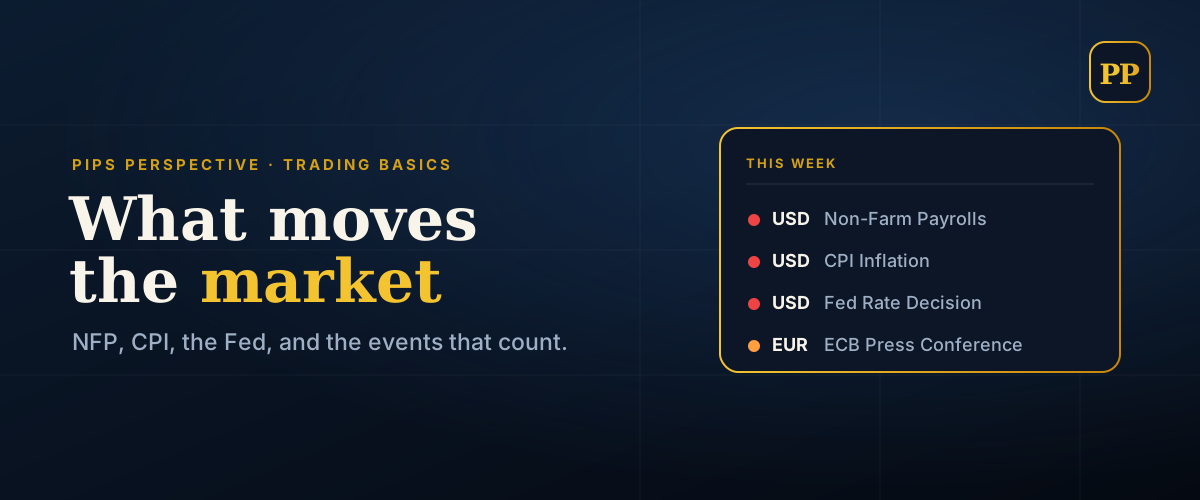
The Economic Events That Move Forex: NFP, CPI, FOMC Explained
The high-impact releases that move forex, gold and indices: what Non-Farm Payrolls, CPI, the Fed decision, PCE and GDP each measure, when they land, and how to trade around them.
 Trading Basics
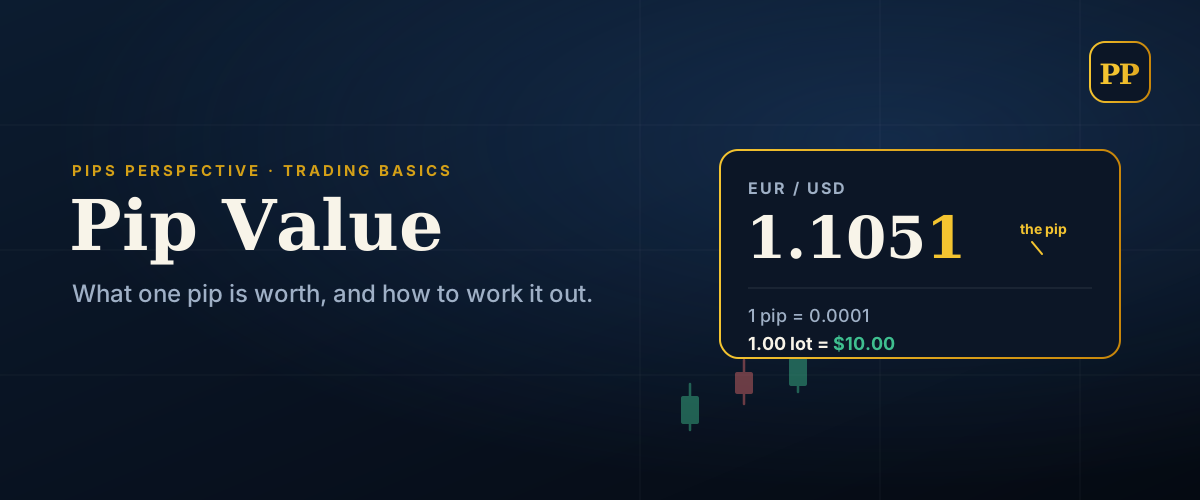
Pip Value Explained: How to Calculate It in Forex
What one pip is worth in money, the simple formula, why it is $10 per standard lot on most pairs, and the JPY and cross-pair exceptions, with worked examples.
 Risk Management
The 1% Risk Rule in Forex Explained (With Examples)
Never risk more than 1% of your account per trade. Here is the survival math behind the rule, a worked example, and the mistakes that quietly break it.
 Position Sizing
Forex Lot Sizes Explained: Micro, Mini & Standard
What standard, mini, micro and nano lots really mean: how many units each holds, what a pip is worth at each size, and which lot size to trade.
 Position Sizing
What Lot Size Should You Use for a $1,000 Account?
The exact lot size for a $100, $500 or $1,000 account at 1% risk, with a full table by account size and stop loss, plus the small-account trap to avoid.
 Risk Management
How to Calculate Position Size in Forex (Without the Headache)
Position sizing is the single most important risk skill in trading, and it's simpler than it looks. Here's the exact formula, a worked example, and the mistakes that blow up accounts.
Skip the maths and use the free tools
Every concept in these articles has a free calculator to go with it.
Open the Lot Size Calculator